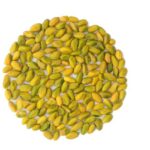
Export Pistachio
Types of pistachios
Iranian pistachios have different names with attention to the shapes and sizes. The major kinds are the following:
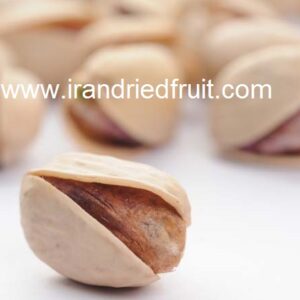
Round Pistachio (Fandoghi Pistachio): This is the first in product and export.
Available in sizes 26-28, 28-30, 30-32
Order |
 |
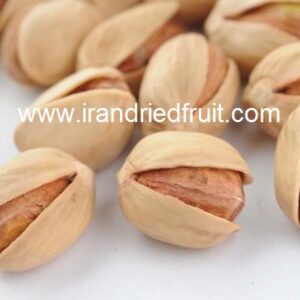
Long Pistachio (Akbari Pistachio): This is the most expensive and ceremonial.
Available in sizes 20-22, 22-24
Order |
 |
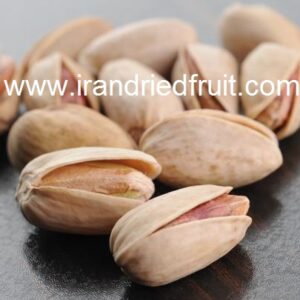
Long Pistachio (Ahmad aghaee Pistachio): This is favorite for eastern Asia people.
Available in sizes 22-24, 24-26
Order |
 |
Long Pistachio (Badami Pistachio): The shape of it's kernel is similar to the almond.
Available in sizes 24-26, 26-28, 28-30
Order |
 |
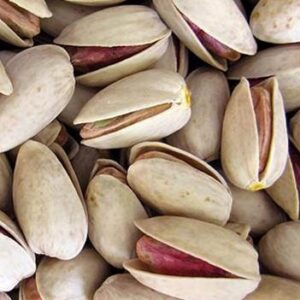
Jumbo Pistachio (Kale ghuchi Pistachio): This kind is thick with opened mouth.
Available in sizes 18-20, 20-22, 22-24, 24-26
Order
|
 |
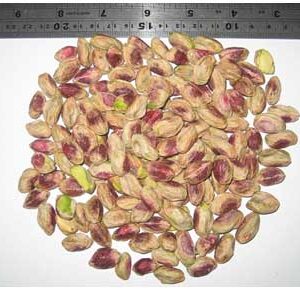
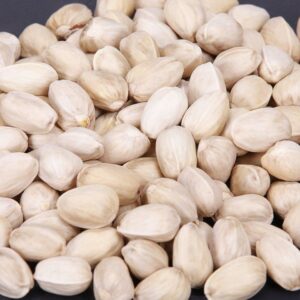
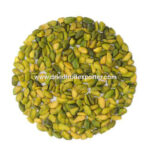
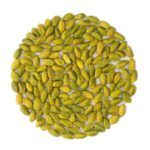
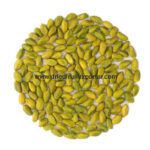
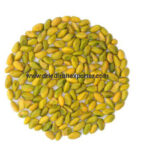
Natural Pistachio (red and cream color) kernel: It is prepared from closed pistachio.
Order
|
 |
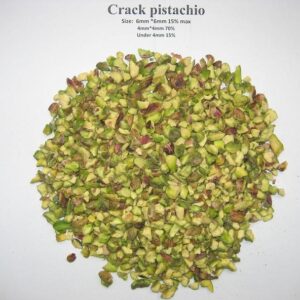
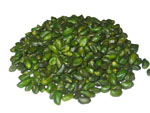
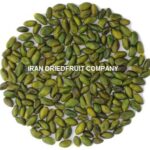
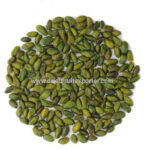
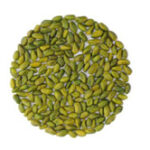
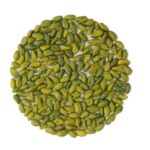
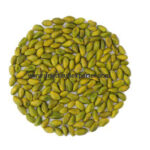
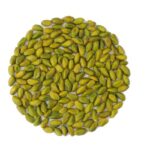
Green Kernel Pistachio : This is used as a spice in ice cream, cookies and a little green color adds to this type.
Order
|
 |
| We can also prepare all kinds of pistachio to following forms. |
|
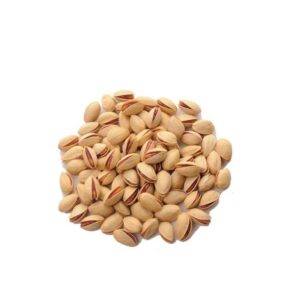
Roasted and Salted Pistachio: This kind has very favorite taste.
Order |
Roasted and Unsalted Pistachio: This kind is very suitable for who are on salt free diet.
Order |
Grade of kernel
AAA: ~95% wholes + 5% split.
AA: ~90% wholes + 10% split.
A: ~85% wholes +
15% split.
C: ~70% wholes + 30% split.
History of pistachio
Researches and documents have shown that north east of Iran is the original
land of pistachio trees. About 5000 years ago people ate pistachio.
History says the queen of Sheba, demanded all the Assyrian pistachio
for her court.
Botany of pistachio
Pistachio belongs to Ancardiaceae family, pistachio trees are tall (about 8 meters). Pistachio trees tolerate different climates and grow in very hard climate (up 450c) or very cold climate (under 250c). Pistachio trees are the second plant (after date) that can be alive for a long time without water. Their roots go to depths of earth to find water. Pistachio trees according to condition start to fruit between 7 to 10 years after plantation and continue to life and fruit about 80 to 100 years.
Loading capacity
| Type |
Packed in bags |
Packed in carton |
| 20 foot container |
14 tons |
12 tons |
| 40 foot container |
24 tons |
20tons |
| 12 meter trailer |
19.5 tons |
19tons |
Value of pistachio
100 grams of edible pistachio has about 600 calories and contains 53% fat, 21%protein, 18 % carbohydrate, 2.2%fiber without any cholesterol
Per 100 gr Edible Protein: |
| |
Potassium |
1,020 g |
| |
Phosphorus |
5,000 g |
| |
Magnesium |
158 mg |
| |
Calcium |
136 mg |
| |
Iron |
7300 mg |
| |
Selenium |
0,450 mg |
| |
Nickel |
0,080 mg |
| |
Vitamin C |
7,000 mg |
| |
Vitamin E |
5,200 mg |
| |
Nicotinamide |
1,450 mg |
| |
Vitamin B1 |
0,690 mg |
| |
Vitamin B2 |
0,200 mg |
| |
Carotene |
0,150 mg |
| |
Folic Acid |
0,058 mg |
Global trade
According to the custom organization of Iran. Statistics of Iran pistachio export is below. (values are on million dollars)
Attention: Statistics relate from March each year to next year. According to the latest statistics of FAO (related to 2004) Iran is the first country in pistachio export in recent years and Iranian pistachio export to many countries.

This graph is based on the
statistics of FAO
which shows
percentage of Iran
in the
pistachio global market.
|